
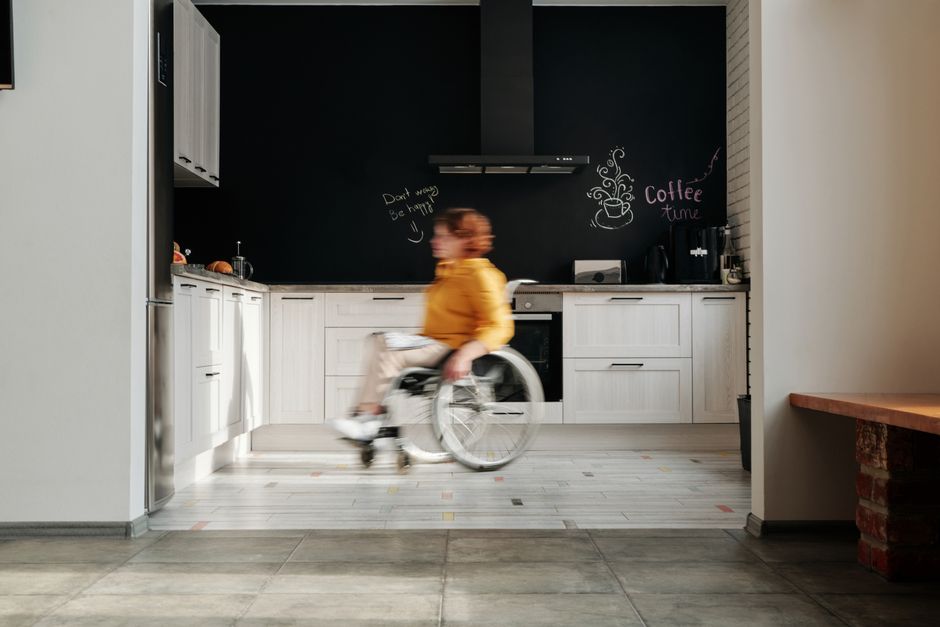
Choosing the right storage solutions can make an enormous difference to daily independence at home, and pull-out drawer organizers are one of the most practical upgrades wheelchair users and their support teams can explore. This article walks through everything you need to know, from understanding why standard furniture falls short to finding options that genuinely work.
Why Standard Drawers Create Barriers for Wheelchair Users
Most kitchens, wardrobes and bathroom vanities are designed with a standing adult in mind. For wheelchair users, this creates a set of very real, very daily frustrations that go far beyond minor inconvenience. At Innergrowth Hub, our support workers hear about these challenges constantly from the participants we work alongside in Sydney and Greater NSW.
The core problems with standard drawers include:
- Height placement: Upper drawers sit well above a comfortable reach zone for someone seated in a wheelchair, forcing awkward stretching that can cause strain or injury.
- Depth of pull: Standard drawers often require a long forward reach to access items stored at the back, which is difficult or impossible from a seated position.
- Handle design: Small knobs or recessed handles demand fine motor grip strength that many wheelchair users, particularly those with complex support needs, may not have consistently.
- Clearance space: Cabinetry with solid toe-kick panels prevents a wheelchair from rolling close enough to the bench, increasing reach distance further.
- Weight and resistance: Heavy or stiff drawers that slide roughly require two-handed force, which can be impossible for people who use one hand to manage their chair.
These barriers compound over the course of a day. Something as simple as retrieving a utensil or finding a pair of socks can become exhausting or require asking for assistance, which directly affects a person's sense of autonomy. Supporting independent living means taking these friction points seriously and finding targeted solutions that put participants back in control of their own space.
Key Features to Look for in Pull-Out Drawer Organizers
Choosing the right pull-out drawer organizer as a wheelchair user is about more than just tidiness. The features that matter most are the ones that support genuine independence in daily living, reducing the need for assistance and keeping everyday items within easy, comfortable reach.
- Low-force glide mechanisms: Drawers should open and close smoothly with minimal effort. Full-extension, ball-bearing slides are ideal because they require very little pull force and allow complete access to drawer contents without overreaching.
- Pull handles positioned at the front: Large, easy-grip handles or recessed finger pulls placed near the top edge of each drawer make it far simpler to operate from a seated position at chair height.
- Shallow drawer depth: Shallower drawers keep items visible and reachable without requiring a user to lean forward dangerously. A depth of 10 to 15 centimetres is often the most practical for daily living essentials.
- Adjustable internal dividers: Configurable compartments let each person organize items to suit their specific routine, which matters enormously when support is built around individual goals rather than a one-size-fits-all approach.
- Soft-close or locking mechanisms: These prevent drawers from rolling open unexpectedly, which is a real safety concern for wheelchair users navigating tight spaces.
- Sturdy, lightweight materials: Organizers made from high-quality plastic or powder-coated steel offer durability without adding excessive weight that could destabilize a unit when a drawer is extended.
- Knee clearance compatibility: Any freestanding unit or under-bench organizer should allow adequate knee clearance so a wheelchair user can pull up close and work comfortably.
Taking time to assess these features before purchasing means the organizer will genuinely support day-to-day independence, rather than creating new obstacles in the home.
Best Pull-Out Drawer Organizer Options for Accessible Living
Choosing the right pull-out drawer organizer comes down to a few key factors: reach distance, grip requirements, drawer weight, and how well the unit fits into your existing furniture or kitchen setup. Below are some of the most practical options that work well for wheelchair users in everyday home environments.
- Full-extension soft-close drawer slides: These allow the drawer to open completely, meaning you can reach items at the very back without leaning or stretching. Soft-close mechanisms also reduce the risk of fingers getting caught, which is important for people with limited hand strength.
- Shallow pull-out trays: Installed at counter height or just below, shallow trays keep items visible and within easy reach. They work particularly well in kitchens and bathrooms for storing frequently used items like utensils, medications, or grooming products.
- D-ring and loop handle inserts: Standard knobs can be difficult to grip. Replacing them with wide D-ring pulls or loop handles significantly reduces the force needed to open a drawer, making independent access far more achievable.
- Under-bench pull-out baskets: Wire or solid-base baskets mounted on full-extension runners are ideal for storing heavier items at a lower level, reducing the need to reach upward or into deep cupboards.
- Modular drawer divider systems: Adjustable inserts help keep contents organized so you are not rummaging through cluttered drawers, which saves time and physical effort during daily tasks.
Many of these modifications can be funded through your NDIS plan under assistive technology or home modifications, depending on your support needs. If you are working toward greater independence at home, the team at Innergrowth Hub can help you explore what is available through our Supported Independent Living (SIL) service, or you can browse related topics in our articles section for more practical guidance.
How to Install and Adjust Organizers for Wheelchair-Height Access
Getting the installation right is just as important as choosing the right organizer. A pull-out drawer that sits too high or extends at an awkward angle can create unnecessary strain and reduce independence rather than support it. The goal is to position every organizer so it falls within a comfortable reach zone for the individual user.
Here are some practical steps to guide the installation process:
- Measure reach range first: Before drilling or mounting anything, have the wheelchair user sit in their chair and extend their arms naturally. The ideal drawer height is typically between 400mm and 900mm from the floor, but this varies depending on the person's mobility and upper body strength.
- Choose adjustable mounting hardware: Many pull-out systems come with slotted rail brackets that allow vertical repositioning without starting from scratch. This is especially useful when support needs change over time.
- Ensure full extension clearance: Check that the drawer can slide out completely without being blocked by wheelchair footrests or the cabinet frame. A full-extension slide mechanism (100% extension or more) is strongly recommended.
- Test the pull force: Soft-close and ball-bearing slides reduce the effort needed to open and close drawers. For participants with limited grip strength, this can make a significant difference to daily independence.
- Secure for lateral stability: Drawers should not wobble sideways under pressure. Use side-mount slides rated for the expected load, and always check manufacturer weight ratings before finalising installation.
If you are unsure about the right configuration, an occupational therapist can assess the home environment and recommend specific measurements. At Innergrowth Hub, our daily living and household task support workers are experienced in helping participants set up practical, accessible home solutions that align with their NDIS goals and personal preferences.
Tips for Organizing Drawer Contents to Maximize Independence
Having the right pull-out drawer organizer is only half the equation. How you arrange items inside each drawer makes a significant difference to how independently you can manage daily tasks. A few simple strategies, combined with support from your NDIS plan, can help you build routines that feel natural and empowering.
- Group items by task, not by category. Place everything you need for a single task together in one drawer. For example, keep your morning medication, a small cup and a notepad together rather than storing medications in one drawer and writing supplies in another.
- Put the most-used items at the front. Items you reach for every day should sit closest to you when the drawer is open, reducing strain and the need to stretch or reposition your chair.
- Use dividers and small containers. Loose items shift around with drawer movement, making them harder to locate quickly. Silicone drawer inserts and small lidded containers keep things exactly where you expect them.
- Label everything clearly. High-contrast labels with large print or tactile markers help you find items at a glance, which is especially useful during high-fatigue periods.
- Keep weight balanced. Avoid loading the front of a drawer too heavily, as this can affect how smoothly it slides and may cause tipping on certain units.
- Review the layout regularly. Your needs and routines will change over time. Schedule a quick monthly check to move items that are no longer easy to access.
Your support workers at Innergrowth Hub can assist with setting up and adjusting these systems as part of your daily living support, ensuring your home environment keeps pace with your goals.
From choosing the right pull-out drawer organizer to arranging its contents for smooth, independent access, every decision you make about your storage setup is a step toward greater confidence and control at home. With the right assistive equipment, thoughtful planning and participant-led NDIS support behind you, your living space can truly work for you, not the other way around.