
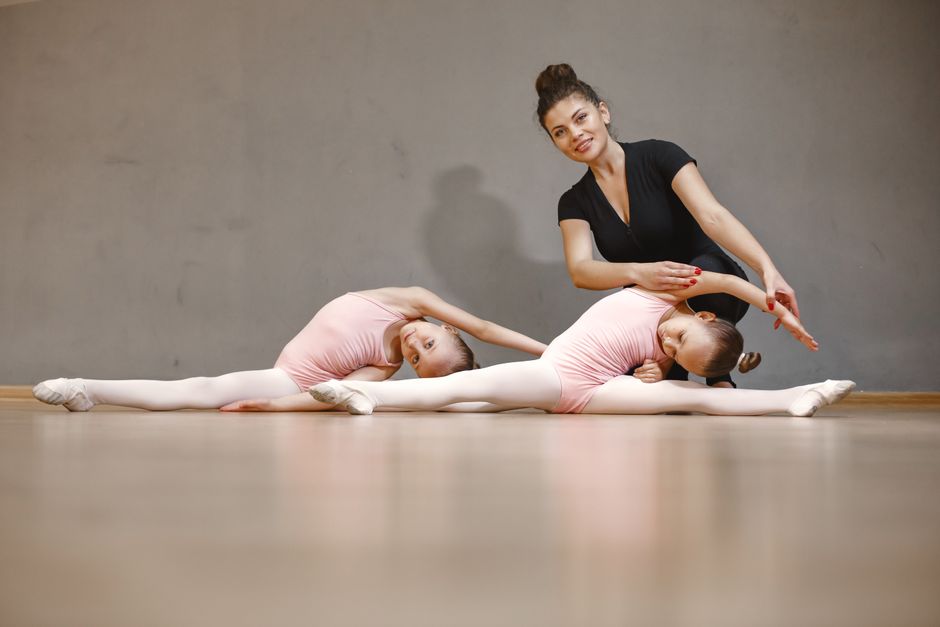
Stepping outside your comfort zone is one of the most powerful catalysts for personal growth — and few activities test that resolve quite like learning to move your body in an entirely new way. In this article, we explore how taking up a physical skill, particularly dance, can build confidence, deepen mindfulness, and spark lasting change.
Why Beginners Dance Lessons Push You Beyond Your Comfort Zone
There is something uniquely vulnerable about Dance Lessons as a newcomer. Unlike learning a desk-based skill, beginners dance lessons place your whole self on display — your coordination, your rhythm, your willingness to look uncertain in front of others. That exposure is precisely what makes them so transformative.
From the very first class, you are asked to do several uncomfortable things at once:
- Follow unfamiliar instructions in real time, without the option to pause and process quietly
- Use your body in unaccustomed ways, which can feel awkward and even a little absurd
- Remain present in a room full of strangers who are navigating the same uncertainty
- Accept imperfection publicly, which challenges many people's instinct to appear capable at all times
For participants at Innergrowth Hub, this kind of structured challenge — one that is safe, supported, and purposeful — aligns closely with the goals we work toward in community participation and skill development. Growth rarely happens in a space that feels completely familiar.
The Discomfort Is the Point
Psychological research consistently shows that tolerating manageable discomfort builds resilience over time. Beginners dance lessons create a low-stakes environment where making mistakes is not only expected — it is part of the curriculum. That reframing alone can shift how participants relate to challenge in other areas of life, from daily living tasks to social interactions and beyond.
When you commit to showing up despite the nerves, something quietly powerful begins to shift inside you.
The Confidence Boost That Comes From Beginners Dance Lessons
There is something quietly transformative about taking your first steps on a dance floor. Beginners dance lessons offer far more than choreography — they hand you a very real, measurable experience of progress. You arrive not knowing how to do something, and through practice and guidance, you learn to do it. That cycle, repeated week after week, builds a kind of confidence that travels well beyond the studio.
For many people — including NDIS participants working toward greater independence and community engagement — physical confidence is deeply connected to overall self-belief. When your body learns to respond to music, to hold a rhythm, to coordinate movement with intention, your nervous system registers that as a success. Over time, those small wins accumulate into something meaningful:
- Reduced self-consciousness as you become more comfortable inhabiting your own body
- Greater willingness to try unfamiliar things, because you have evidence that you can learn
- Improved posture and body awareness, which subtly shifts how others perceive you — and how you perceive yourself
- A sense of achievement that does not depend on competition or comparison
This matters especially when someone has spent a long time feeling unsure or limited in what they can do. Dance meets you exactly where you are. A supportive instructor, a welcoming group environment, and the gentle structure of beginner classes create the ideal conditions for personal growth — the kind that starts in your feet and eventually reaches your mindset.
Learning to move is, at its core, learning to trust yourself. And that trust, once built on the dance floor, has a way of quietly showing up in every other area of your life.
Mindfulness in Motion: How Beginners Dance Lessons Keep You Present
One of the most unexpected gifts that beginners dance lessons offer has nothing to do with footwork — it is the way they anchor you completely in the present moment. When you are learning a new step sequence, counting beats, and listening to music all at once, your mind simply has no bandwidth left for yesterday's worries or tomorrow's to-do list. That is mindfulness, and dance delivers it naturally.
Unlike seated meditation, which some people find difficult to sustain, dance makes presence feel effortless. Your body becomes the focal point. You notice how your weight shifts from one foot to the other, how your arms respond to rhythm, how your breath changes with tempo. This body-centred awareness is at the core of what mindfulness practitioners call "somatic attention" — and research increasingly links it to reduced anxiety, lower cortisol levels, and an improved sense of emotional regulation.
Why Movement Quiets a Busy Mind
When we engage in physical learning that requires coordination and timing, the brain's prefrontal cortex — the region responsible for rumination and self-criticism — takes a back seat. You stop narrating and start experiencing. Many participants in day programs and skill development activities report this same shift: a sense of flow that feels both calming and energising at once.
For people navigating disability, chronic illness, or social isolation, this quality of presence can be genuinely therapeutic. It reinforces the kind of participant-led, goal-oriented growth that sits at the heart of how community participation supports are designed — encouraging individuals to engage fully with life on their own terms, one step at a time.
- Rhythm regulates: Synchronising movement to music activates the parasympathetic nervous system, promoting calm.
- Focus crowds out fear: Learning new patterns leaves little room for self-doubt.
- Repetition builds safety: Practising familiar sequences creates a grounding, meditative effect.
Embracing Mistakes as Part of the Learning Process in Beginners Dance Lessons
One of the most transformative moments in any learning journey happens when you stop fearing mistakes and start seeing them as signposts pointing you toward growth. This shift in perspective is especially powerful in beginners dance lessons, where missteps are not only inevitable — they are genuinely useful. Every stumbled rhythm or forgotten sequence is feedback, not failure, and learning to interpret it that way quietly rewires how you handle setbacks in everyday life.
Why Getting It Wrong Is Getting It Right
Dance is a forgiving teacher precisely because the body learns through repetition and adjustment. When you lose your footing during a turn or miss a beat, your nervous system is already cataloguing that information for next time. Over weeks of consistent practice, you begin to notice something remarkable: you are not just improving your footwork — you are becoming more patient, more self-compassionate, and more willing to try unfamiliar things in general.
For NDIS participants exploring skill development and community participation, this resilience-building aspect of dance can be particularly meaningful. Many people have spent years in environments where mistakes carried real consequences. A supportive dance class offers a rare, low-stakes space to practise tolerating discomfort and bouncing back.
- Reframe the stumble: each mistake narrows down what needs attention next.
- Celebrate small wins: noticing even minor improvement sustains motivation.
- Lean on community: fellow beginners normalise the learning curve and reduce shame.
If you are ready to step onto the floor and embrace every imperfect moment, Care to Dance offers welcoming dance classes for absolute beginners in a warm, encouraging environment designed to build confidence at your own pace.
How Physical Skill-Building Drives Lasting Personal Growth — Starting With Beginners Dance Lessons
Every journey into a new physical skill — including beginners dance lessons — leaves a permanent mark on who you are. The changes aren't just felt in the moment; they compound over time, reshaping how you approach challenges, relationships, and your own sense of self-worth.
When you commit to learning something unfamiliar with your body, you activate a cycle of growth that reaches well beyond the studio floor:
- You build a proven track record with yourself. Each skill you master becomes evidence that you are capable of change and hard work — evidence you carry into every other area of life.
- Your tolerance for discomfort expands. Physical learning demands patience with imperfection. That tolerance quietly transfers to workplace setbacks, social anxiety, and personal challenges.
- You develop genuine body awareness. Understanding how your body moves and responds deepens mindfulness in daily life — helping you notice tension, fatigue, and emotion before they become overwhelming.
- You strengthen social connection. Group skill-building environments create belonging, which is one of the most powerful drivers of long-term wellbeing and resilience.
Growth That Belongs to You
Unlike achievements handed to you, physical skill is entirely your own. Nobody can take away the confidence earned through showing up, stumbling, and improving anyway. For NDIS participants exploring community participation and day programs, this kind of self-directed growth is especially meaningful — it reinforces independence, identity, and the knowledge that your goals are worth pursuing.
The comfort zone is not a safe place; it is simply a familiar one. Stepping beyond it — one dance step, one new class, one courageous "yes" at a time — is where lasting confidence is built and real life begins.
Whether you're drawn to movement, creative arts, or another skill entirely, the principles explored throughout this article remain the same: learning something new with your body teaches you something profound about your mind. Beginners dance lessons may be just one starting point, but the courage, mindfulness, and self-belief you gain will shape every step you take from here.