
Whether you're a first-time EV owner or planning ahead for a greener household, understanding your home charging options is the essential first step — this guide walks through everything Australians need to know about installing a home EV charging station, from equipment choices to costs and compliance.
Understanding Home EV Charging Station Options in Australia
Australia's electric vehicle market is growing rapidly, and so is the demand for convenient, reliable home charging solutions. Before committing to an installation, it's important to understand the different types of charging station equipment available and how they suit different households, vehicles, and budgets.
There are generally three levels of EV charging to consider:
- Level 1 – Standard Household Outlet (10A): This is the slowest option, using a standard Australian power point. It typically delivers around 2–2.4 kW and can take 24 hours or more to fully charge a larger battery. It suits occasional drivers or those with a plug-in hybrid (PHEV).
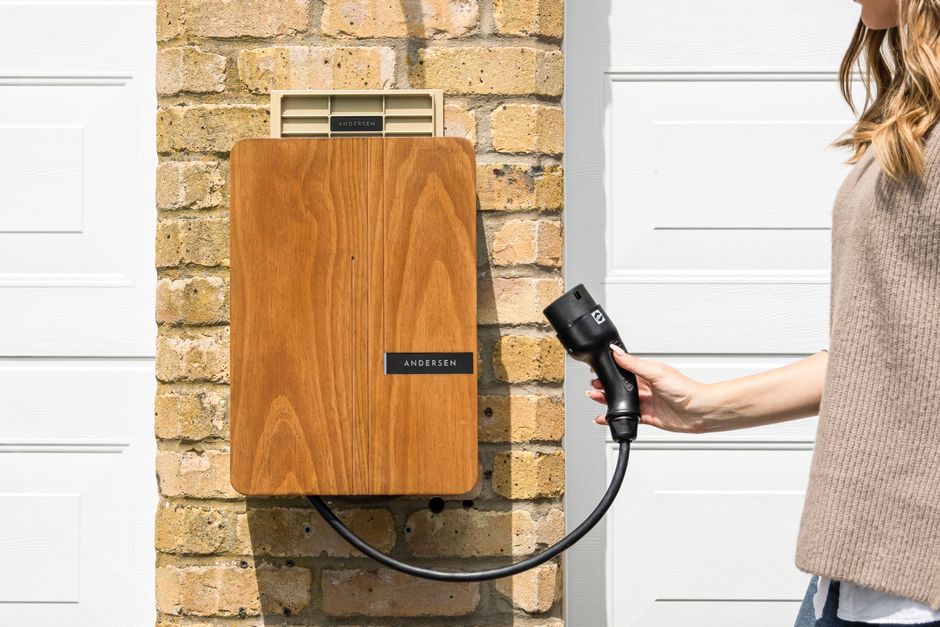
- Level 2 – Dedicated AC Charging (7kW–22kW): The most popular home solution in Australia. A dedicated wall-mounted charger (often called an EVSE — Electric Vehicle Supply Equipment) is hardwired by a licensed electrician and can fully charge most EVs overnight. Brands like Wallbox, Ocular, and JET Charge are widely available nationally.
- Level 3 – DC Fast Charging: Rarely installed residentially due to high infrastructure costs, this option is typically reserved for commercial premises or apartment complexes with shared facilities.
For most Australian homeowners, a Level 2 dedicated wall charger strikes the right balance between speed, cost, and practicality. Your choice will also depend on your vehicle's onboard charger capacity, your existing switchboard setup, and whether you have rooftop solar — a combination that can significantly reduce ongoing charging costs.
Understanding these fundamentals helps you have informed conversations with electricians and make smarter decisions throughout the installation process.
Australian Standards and Electrical Requirements for EV Charger Installation
Before any home EV charging station is installed in Australia, there are strict standards and regulatory requirements that must be met. Understanding these upfront helps homeowners avoid costly mistakes and ensures the installation is safe, compliant, and fit for purpose.
All residential EV charger installations in Australia must comply with the following key standards and regulations:
- AS/NZS 3000:2018 (Wiring Rules): This is the foundational standard governing all electrical installations in Australia and New Zealand. Any EV charger installation must adhere to these wiring requirements without exception.
- AS/NZS 3001.2:2022: This newer standard specifically addresses electrical installations in caravans, boats, and transportable structures, but its principles increasingly inform EV charging guidance across the industry.
- AS/NZS 61851.1: This standard defines the technical requirements for EV conductive charging systems and outlines the different charging modes permitted in Australia.
- State and Territory electrical licensing laws: Each state has its own licensing authority. In New South Wales, for example, only a licensed electrician registered with Fair Trading NSW is legally permitted to carry out EV charger installation work.
Most home EV chargers operate on a dedicated 32-amp circuit, which typically requires an upgraded switchboard and, in some cases, a meter upgrade coordinated with your local energy distributor. A licensed electrician will assess your existing infrastructure and advise whether your home can support a Level 2 AC charger without significant electrical upgrades.
It is also worth noting that installed chargers should carry RCM (Regulatory Compliance Mark) certification, confirming they meet Australian safety and electromagnetic compatibility requirements. Installing non-compliant equipment can void your home insurance and create serious safety hazards.
Always engage a licensed and qualified electrician for this work — it is not a DIY project under any circumstances.
Choosing a Qualified Installer and Getting the Right Permits
Once you have decided on the right charging equipment for your home, the next critical step is ensuring the installation is carried out by the right professional. In Australia, home EV charging station installation is not a DIY job — it must be completed by a licensed electrician who holds the appropriate qualifications for your state or territory.
When selecting an installer, look for the following:
- Licensed electrician status: All electrical work in Australia must be performed by a licensed electrician. Verify their licence number through your state's electrical licensing authority.
- EV charging experience: Not every electrician is familiar with the specific requirements of EV charger installations. Ask about their previous experience with similar projects.
- Accreditation with Clean Energy Council (CEC): While not always mandatory for EV charger installation specifically, CEC accreditation signals a higher standard of knowledge around energy systems.
- Insurance and warranties: Confirm that the installer carries public liability insurance and offers a workmanship warranty on their labour.
Beyond choosing the right person, you will also need to navigate the permit and approval process. In most Australian states, a Certificate of Compliance for Electrical Work (CCEW) — sometimes called a Certificate of Electrical Safety — must be issued after the installation is complete. Your licensed electrician is responsible for obtaining this documentation.
Depending on your local council and the complexity of the installation, additional building permits may also be required, particularly if structural work or significant wiring upgrades are involved. It is also worth contacting your electricity network distributor before installation begins, as some upgrades — such as increasing your supply capacity — require their approval.
Taking the time to verify credentials and secure the correct permits protects both the safety of your household and the validity of any product warranties attached to your charging equipment.
Cost of Home EV Charging Station Installation in Australia
Understanding the full cost of home EV charging station installation in Australia helps you budget effectively and avoid surprises. Pricing varies depending on the charger type, your existing electrical infrastructure, and the complexity of the installation.
- Level 1 (standard 10A outlet): Little to no installation cost if an outlet already exists near your garage. Suitable for low-mileage drivers but delivers slow charging speeds.
- Level 2 (dedicated AC wall charger): This is the most popular choice for Australian households. Supply and installation typically costs between $1,000 and $2,500, depending on the charger brand, cable length, and whether a switchboard upgrade is needed.
- Switchboard or meter upgrades: Older homes may require electrical panel upgrades, adding $500–$1,500 to the overall project cost.
- Trenching and conduit work: If the charger is installed away from the main electrical panel, cable trenching can add $200–$800 or more.
- Smart charger features: Wi-Fi-enabled and load-balancing chargers cost more upfront but can reduce long-term energy bills significantly.
On average, most Australian homeowners spend between $1,200 and $3,000 all-in for a quality Level 2 home charging setup. Always request itemised quotes from at least two or three licensed electricians to compare scope and pricing accurately.
It is also worth noting that some state and territory governments periodically offer rebates or incentives for EV infrastructure, so checking your local energy authority's website before committing to a purchase is a smart move.
For NDIS participants who drive as part of supported independent living or community access goals, transport-related modifications can sometimes intersect with funded supports. Our team at Innergrowth Hub covers a broad range of participant needs — explore our Community & Transport Access service or browse our Articles page for more helpful guides.
Government Rebates and Incentives for Home EV Charging in Australia
One of the most compelling reasons to install a home EV charging station right now is the growing range of government rebates and incentives available across Australia. While there is currently no single national subsidy covering charger hardware for residential properties, several state and territory programs can significantly reduce your upfront costs.
- Victoria: The Victorian Government's Zero Emissions Vehicle (ZEV) Subsidy has supported EV uptake broadly, and eligible households may also access interest-free loans through the Homes Victoria program to fund energy upgrades including EV charger installation.
- New South Wales: The NSW Government offers stamp duty exemptions on eligible EVs and has committed funding to EV infrastructure. Some energy retailers in NSW also provide rebates or reduced installation rates for home charging equipment.
- Queensland: Queensland's Zero Emission Vehicle Strategy includes rebates for new EV purchases, which can free up household budget to invest in a quality home charger setup.
- South Australia: SA has offered subsidies directly linked to home charging infrastructure as part of its broader EV Action Plan, making it one of the more generous states for residential charging support.
- Australian Capital Territory: The ACT provides interest-free loans and has historically offered some of the strongest EV incentives in the country, including support for sustainable home energy upgrades.
Beyond state-level programs, the federal Fringe Benefits Tax (FBT) exemption on eligible EVs salary-packaged through employers has made EV ownership more accessible for many working Australians, indirectly supporting the case for home charging installation.
It is worth checking directly with your state or territory government website for the most current eligibility criteria, as these programs are updated regularly. A qualified electrician or EV charging installer can also advise on which incentives apply to your specific situation and postcode.
Maximising Efficiency and Safety After Installation
Getting your home EV charging station installed is a significant milestone, but the work doesn't stop there. A few straightforward habits and precautions can help you get the most out of your investment while keeping your household safe for years to come.
- Schedule regular inspections: Have a licensed electrician check your charging unit and dedicated circuit annually. Connections can loosen over time, and early detection of wear prevents costly or dangerous faults.
- Charge during off-peak hours: Most Australian energy retailers offer time-of-use tariffs. Charging overnight — typically between 10 pm and 7 am — can meaningfully reduce your electricity bill without any sacrifice in convenience.
- Keep the charging area clear: Ensure the space around your charger is free from clutter, moisture, and flammable materials. Adequate ventilation around the unit helps manage any heat generated during longer charging sessions.
- Use smart charging features: Many modern home chargers include companion apps that let you set charge limits, monitor energy use, and schedule sessions. These tools protect your battery's long-term health and help you stay across running costs.
- Check your vehicle manufacturer's guidance: For daily use, most manufacturers recommend charging to around 80 percent rather than 100 percent. Reserving a full charge for longer trips extends overall battery lifespan.
- Review your home insurance: Notify your insurer once the charger is installed, as it may affect your policy or open up additional coverage options.
Pairing good charging habits with routine professional maintenance ensures your setup remains safe, efficient, and cost-effective over the long term.
Home EV charging station installation in Australia is a practical investment that rewards careful planning at every stage — from choosing the right charger and understanding electrical requirements, to navigating rebates and selecting a qualified installer. By taking the time to get each step right, you set yourself up for reliable, affordable charging that supports both your lifestyle and Australia's broader shift toward cleaner transport.