
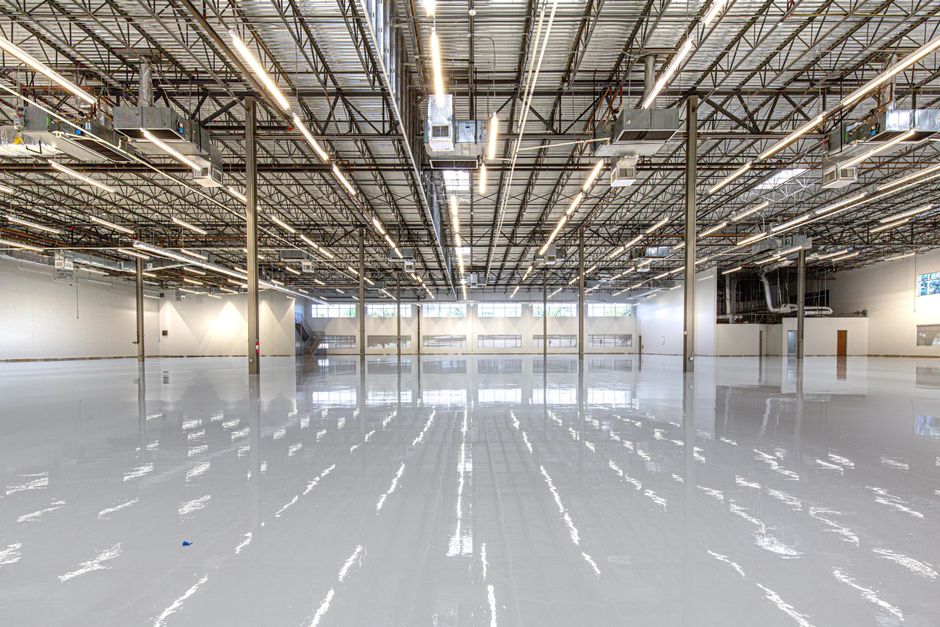
Epoxy floor coating has moved well beyond industrial warehouses and car parks. In 2024 and beyond, homeowners, disability support providers, and commercial fitout teams are choosing it as a go-to solution for floors that need to be tough, hygienic, and visually clean — all at once. If you're weighing up your flooring options before a renovation or new build, this guide covers everything you need to know about epoxy floors coating: how it works, what it costs, and whether it's right for your space.
What Is Epoxy Floors Coating and How Does It Work?
Epoxy floors coating is a surface treatment made by combining two chemical components — a resin and a hardener. When these two elements are mixed together, they undergo a chemical reaction that produces a rigid, plastic-like material that bonds tightly to the underlying concrete or substrate. The result is a seamless, durable surface that is far tougher than standard paint or sealant. You can read a broader overview of surface treatments like this under the general topic of Coating on Wikipedia.
The Application Process
Applying an epoxy floor coating typically involves three key stages:
- Surface preparation: The concrete is thoroughly cleaned, degreased, and often mechanically ground or etched to open the pores and allow proper adhesion.
- Primer coat: A base layer is applied to seal the surface and improve bonding.
- Topcoat application: The epoxy mixture is rolled or squeegeed evenly across the floor, then left to cure — usually between 24 and 72 hours depending on the product and conditions.
Once fully cured, the coating creates a non-porous surface that resists moisture, stains, chemicals, and heavy foot traffic. This makes it especially practical in spaces where cleanliness and safety underfoot are priorities — including kitchens, bathrooms, garages, and shared living areas where participants with mobility aids or sensory sensitivities may require a smooth, easy-to-clean environment.
In short: epoxy floors coating works by chemically bonding to your existing floor, transforming it into a hardwearing, low-maintenance surface built to last.
Key Benefits of Choosing Epoxy Floors Coating
When it comes to upgrading any space — whether a family home, a shared living environment, or a community facility — epoxy floors coating offers a compelling combination of practicality, safety, and long-term value. Understanding these advantages helps you make a confident, informed decision before committing to an installation.
- Exceptional durability: Epoxy creates a hard, resin-bonded surface that resists heavy foot traffic, dropped objects, and daily wear. In high-use settings, this means fewer repairs and replacements over time.
- Easy to clean and maintain: The seamless, non-porous finish prevents dirt, moisture, and bacteria from penetrating the surface. A simple mop or wipe-down is all that is typically needed, making it an excellent choice for areas where hygiene is a priority.
- Slip-resistant options available: Anti-slip additives can be incorporated into the coating, significantly reducing the risk of falls — an important consideration in any home or shared care environment.
- Chemical and stain resistance: Spills from cleaning products, oils, or food can be wiped away without leaving permanent marks, protecting the integrity of the floor beneath.
- Highly customisable appearance: From solid colours to decorative flake systems, epoxy can be tailored to complement any interior aesthetic without sacrificing performance.
A Safe and Supportive Surface for Everyday Living
Beyond the practical advantages, the smooth and consistent surface of an epoxy floors coating can support accessibility and independence in meaningful ways. Wheelchair users, mobility aid users, and support workers all benefit from a level, stable floor that reduces friction and eliminates trip hazards like uneven tiles or curling vinyl edges. For anyone who values a home environment that works with them rather than against them, this flooring solution deserves serious consideration.
Types of Epoxy Floors Coating Systems Available
Choosing the right epoxy floors coating system is just as important as deciding to install one in the first place. Different formulations suit different environments, traffic levels, and aesthetic goals — so understanding your options helps you invest wisely from the outset.
- Self-levelling epoxy: One of the most popular choices for commercial and industrial spaces, this system creates a smooth, seamless surface that is easy to clean and highly resistant to heavy foot and vehicle traffic.
- Mortar epoxy: The toughest system available, mortar epoxy is mixed with quartz sand to create an extremely thick, impact-resistant layer. It is ideal for warehouses, loading docks, and facilities that handle heavy machinery.
- Epoxy terrazzo: A decorative option that embeds coloured chips or aggregates into the coating, producing a visually striking finish used in showrooms, retail spaces, and public buildings.
- Anti-static epoxy: Designed for environments where electrostatic discharge is a hazard — such as laboratories, server rooms, or electronics manufacturing facilities — this system safely dissipates static electricity.
- Epoxy flake flooring: Vinyl flakes are broadcast into a base coat before a clear topcoat is applied, delivering both slip resistance and a decorative, multi-coloured finish. A practical choice for garages, clinics, and recreation areas.
- Water-based epoxy: A lower-VOC option with a thinner build, suited to residential applications or spaces where minimal odour during application is a priority.
For accessible environments — such as supported independent living homes or day program facilities — slip-resistant and easy-to-clean coatings are particularly valuable. If you are curious how thoughtfully designed spaces support daily independence, the Supported Independent Living service page offers useful context. You can also browse our articles for more practical guides on creating safe, functional living and working environments.
How Long Does Epoxy Floors Coating Actually Last — and What Affects Its Lifespan?
One question that often gets overlooked before installation is simply: how long will this floor last? A professionally applied, multi-coat epoxy system in a residential setting can realistically last 10 to 20 years with proper care. In high-traffic commercial or industrial environments, expect closer to 5 to 10 years before a recoat or refresh becomes worthwhile.
Several factors directly influence longevity. The quality of surface preparation is the single biggest variable — even the best epoxy product will delaminate prematurely if applied over a damp, contaminated, or poorly profiled slab. UV exposure also matters: standard epoxy is prone to ambering and chalking in areas with direct sunlight, which is why a UV-stable polyurethane topcoat is strongly recommended for any space with natural light. Ongoing maintenance plays a role too; abrasive cleaning pads, harsh solvents, and heavy point loads from furniture legs or machinery can all degrade the surface over time. Understanding these factors before you commit to a system helps you choose the right product for your conditions — and set realistic expectations for the years ahead.
How to Prepare and Apply Epoxy Floor Coating
Getting a durable, professional-looking epoxy floors coating result comes down to preparation just as much as the application itself. Whether you're upgrading a garage, workshop, or any high-traffic area, following the right steps makes a significant difference in how long the finish lasts and how well it performs.
Surface Preparation
- Clean thoroughly: Remove all grease, oil, and dirt from the concrete surface. Any contamination left behind can prevent the epoxy from bonding properly.
- Repair cracks and holes: Fill any imperfections with a suitable concrete filler and allow it to cure completely before moving forward.
- Profile the surface: Use mechanical grinding or acid etching to open up the concrete pores. This step is critical — epoxy needs a slightly rough surface to grip onto effectively.
- Check moisture levels: Excess moisture trapped in concrete is one of the most common causes of epoxy failure. Use a moisture meter and address any issues before coating.
Applying the Epoxy Coating
Once the surface is fully prepared and dry, mix your epoxy resin and hardener according to the manufacturer's instructions — ratio accuracy matters greatly here. Apply a primer coat first if recommended, then roll on the epoxy in thin, even layers using a notched squeegee or roller. Work in manageable sections and maintain a wet edge to avoid lap marks.
Allow adequate curing time between coats, typically 12 to 24 hours depending on temperature and humidity. For specialist guidance on products and techniques, the team at Iron Clad Floors provides expert advice on professional-grade floor coating solutions suited to a wide range of environments.
Finally, apply a clear topcoat to protect the surface from UV exposure, abrasion, and chemical spills — extending the life of your finish considerably.
Cost Factors and How to Budget Your Epoxy Floors Coating Project
Understanding what drives the price of an epoxy floors coating job helps you plan confidently and avoid unexpected blowouts. Whether you're upgrading a home garage or a commercial workspace, several variables will shape your final quote.
Key Cost Influences
- Surface area: Most contractors price per square metre, so larger floors naturally cost more — though bigger jobs often attract a lower per-metre rate.
- Surface preparation: Cracked, contaminated, or previously coated concrete requires extra grinding, patching, or chemical stripping before any epoxy can be applied, adding to labour costs.
- Coating system chosen: A basic single-coat water-based epoxy is the most affordable option, while a multi-layer 100% solids system with decorative flake or metallic finish sits at the premium end.
- Number of coats: High-traffic or industrial environments typically need a primer coat, a build coat, and a clear topcoat — each layer adding material and time.
- Location and access: Tight spaces, restricted access, or sites requiring after-hours work can increase labour charges.
Rough Budget Guide for Epoxy Floors Coating
| Coating Type | Approximate Cost (per m²) |
|---|---|
| DIY water-based kit | $10 – $25 |
| Professional standard system | $30 – $60 |
| Premium decorative or industrial | $60 – $120+ |
Always request at least two or three itemised quotes, and ask specifically what surface preparation is included. A cheaper quote that skips proper prep will likely fail within a year, costing far more in the long run.
From understanding the basics of epoxy chemistry through to choosing the right system, preparing your surface correctly, and now budgeting realistically, you have everything you need to approach your coating project with confidence. Take your time with the planning stage, invest in quality materials and skilled application, and your epoxy floor will deliver a durable, attractive result for many years to come.