
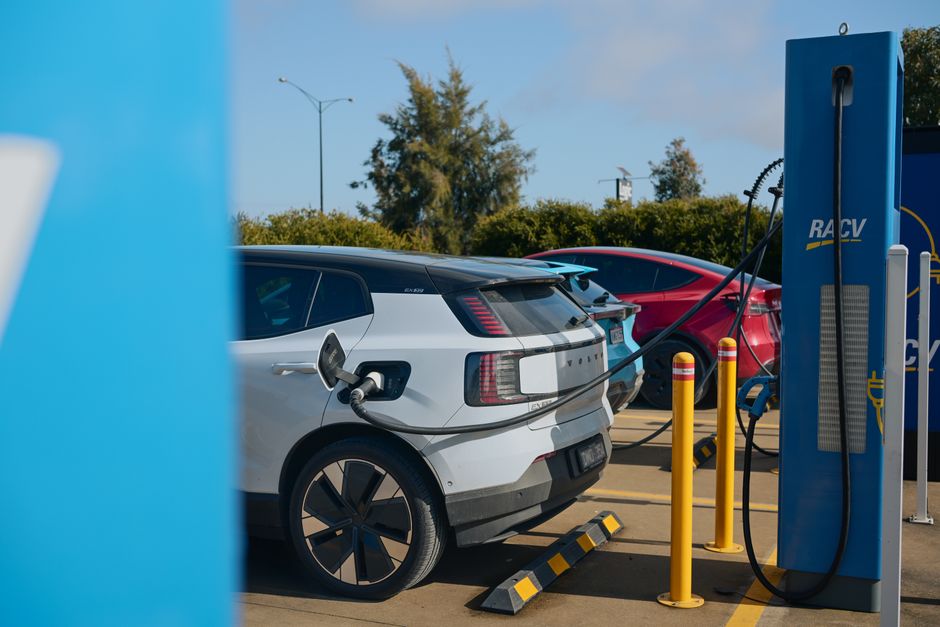
With the cost of living continuing to rise across Australia, more households and support workers are exploring smarter ways to reduce transport expenses — and government electric vehicle incentives are playing a big role in that shift. This article breaks down everything you need to know about EV rebates, eligibility, and how Australians can make the most of available support.
Understanding Electric Vehicle Rebates and Incentives in Australia
Australia's transition toward cleaner transport has been backed by a growing range of federal and state government programs designed to make electric vehicles more accessible and affordable. Whether you're a carer, support worker, or NDIS participant looking to reduce travel costs, understanding how these rebates work is a practical first step.
At the federal level, the Treasury Laws Amendment (Electric Car Discount) Act 2022 removed fringe benefits tax (FBT) on eligible electric vehicles provided through novated lease arrangements — a significant saving for employees and employers alike. Several state governments have built on this with their own direct rebate schemes, reduced stamp duty, and registration fee exemptions.
It's worth noting the distinction between fully electric vehicles (EVs) and their close relatives. A hybrid electric vehicle combines a traditional internal combustion engine with an electric motor, and eligibility for rebates can differ depending on whether a vehicle is plug-in hybrid (PHEV), full hybrid, or battery-electric (BEV). Most state rebate programs prioritise zero-emission BEVs, though some extend partial benefits to PHEVs.
Key incentives currently available across Australia include:
- Direct purchase rebates — upfront cash reductions on the purchase price of eligible EVs
- Stamp duty exemptions — waiving or reducing registration transfer costs
- FBT exemptions — applying to employer-provided EVs under novated lease arrangements
- Registration discounts — ongoing annual savings for EV owners
Eligibility criteria, income thresholds, and vehicle price caps vary by state, so it's essential to check the specific rules in your jurisdiction before making a purchase decision.
Federal Government EV Policies and Tax Benefits
At the federal level, the Australian Government has introduced several policies designed to make electric vehicles more financially accessible for everyday Australians. Understanding these measures can help you work out exactly how much you could save when purchasing an EV.
One of the most significant federal initiatives is the Fringe Benefits Tax (FBT) exemption, which came into effect in July 2022. Under this policy, eligible battery electric vehicles, plug-in hybrid electric vehicles, and hydrogen fuel cell vehicles are exempt from FBT when provided through a novated lease or employer arrangement. This exemption can result in thousands of dollars in annual savings, particularly for those who arrange vehicle financing through their workplace.
In addition to the FBT exemption, the federal government has also reduced the import tariff on eligible EVs from five percent to zero, lowering the upfront purchase price on many imported models. Combined with the removal of the Luxury Car Tax threshold adjustment discussions for low-emission vehicles, these measures collectively reduce the financial barrier for buyers at various price points.
Key federal-level benefits currently available include:
- FBT exemption for eligible zero and low-emission vehicles used through employer arrangements
- Zero import tariffs on qualifying electric vehicles
- Instant asset write-off provisions for small businesses purchasing EVs for commercial use
- National Electric Vehicle Strategy commitments that continue to shape future incentive frameworks
It is worth noting that eligibility criteria, income thresholds, and vehicle price caps can change as policy evolves. Always confirm current conditions directly with the Australian Taxation Office or a qualified financial adviser before making purchasing decisions based on these benefits.
State and Territory EV Rebate Programs Breakdown
Beyond the federal fringe benefits tax exemption, each Australian state and territory runs its own electric vehicle incentive scheme — and the differences between them are significant. Whether you're in New South Wales, Victoria, or Queensland, understanding what's available in your jurisdiction can save you thousands of dollars on your next EV purchase.
| State/Territory | Rebate Amount | Key Eligibility Conditions |
|---|---|---|
| New South Wales | Up to $3,000 | New BEV or FCEV under $68,750 (dutiable value) |
| Victoria | Up to $3,000 | New or used ZEV under $68,740; income-tested for used vehicles |
| Queensland | Up to $6,000 | New BEV or PHEV under $68,000; Queensland residents only |
| South Australia | Up to $3,000 | New BEV or FCEV; stamp duty exemption also applies |
| ACT | Stamp duty waiver + 2-year free rego | All new and used EVs; no vehicle price cap |
| Western Australia | Up to $3,500 | New BEV or FCEV under $70,000 |
It's worth noting that several states — including NSW and Victoria — have already closed or wound back their cash rebate programs as EV uptake has grown, shifting focus instead to stamp duty exemptions and registration relief. Always verify current status directly with your state revenue office before applying.
For NDIS participants in Sydney and Greater NSW, transport-related costs and vehicle accessibility can intersect with your support plan in meaningful ways. Innergrowth Hub's community and transport access service can help you navigate how mobility supports align with your daily goals. You'll also find practical guidance across our articles hub covering topics relevant to independent living and community participation.
How to Apply for Electric Vehicle Rebates in Australia
Applying for an electric vehicle rebate in Australia varies depending on your state or territory, but the general process follows a similar pattern across most programs. Understanding the steps involved before you purchase can save you time and help ensure you don't miss out on available savings.
- Check your eligibility first. Each state program has specific criteria around income thresholds, vehicle price caps, and residency requirements. Visit your relevant state government transport or revenue office website to confirm you qualify before committing to a purchase.
- Choose an eligible vehicle. Most rebate schemes maintain an approved vehicle list. Ensure the EV you're considering appears on that list, as purchasing an ineligible model means your application will be declined regardless of other circumstances.
- Gather your documentation. Commonly required documents include proof of identity, proof of residency, your vehicle purchase contract or invoice, and evidence of vehicle registration. Some programs also require proof of income.
- Submit your application online. The majority of Australian state rebate programs are administered through dedicated online portals. Applications are typically submitted after purchase and registration of the vehicle, so timing matters.
- Allow for processing time. Rebate payments are not always immediate. Processing times can range from a few weeks to several months depending on application volumes and program demand.
It is also worth noting that some programs operate on a first-come, first-served basis with capped funding pools. Once allocated funds are exhausted, the rebate may close until the next budget cycle. Staying informed about program announcements helps you act quickly when new funding becomes available.
For households with specific accessibility needs — including NDIS participants who rely on personal transport for community access — an EV rebate could meaningfully reduce the cost of a vehicle that supports greater independence and participation in daily life.
Eligibility Requirements and Vehicles That Qualify
Understanding who qualifies for electric vehicle government rebates in Australia is essential before making a purchase decision. While each state and territory sets its own criteria, several common eligibility threads run across most programs nationwide.
In general, applicants must be:
- Australian residents with a valid driver's licence in the relevant state or territory
- Purchasing a new EV — most rebates do not apply to used or demonstrator vehicles Buying within a set price cap — vehicles must typically be priced below a defined threshold, commonly between $68,000 and $78,000 depending on the jurisdiction
- Registering the vehicle in their own name, meaning business fleets may face different or limited entitlements
Vehicles that commonly qualify include battery electric vehicles (BEVs) and, in some states, plug-in hybrid electric vehicles (PHEVs). Hydrogen fuel cell vehicles are also recognised under certain schemes. It is worth checking your state's approved vehicle list, as specific makes and models are periodically reviewed and updated.
For NDIS participants and their carers, these eligibility rules carry particular weight. Reliable, accessible transport is not a luxury — it is often central to maintaining independence, attending appointments, and participating in community life. Where an EV supports these goals, rebates can meaningfully reduce the financial barrier to access.
Income-tested concessions, such as those available in Victoria and the ACT, may offer additional savings for lower-income households, including many people living with disability.
Always verify current eligibility requirements directly with your state or territory revenue office, as thresholds and approved vehicle lists change regularly.
Australia's electric vehicle rebate landscape continues to evolve, with federal tax exemptions and state-based incentives working together to make cleaner transport more accessible. Whether you are an individual, a carer, or an NDIS participant building greater independence, understanding these schemes puts you in a stronger position to make informed, financially sound decisions about your next vehicle.